
Python 装饰器
装饰器(decorator)是 Python 中的一种高级功能,用于在不修改原函数代码的前提下,动态扩展函数或类的功能。
本质上,装饰器是一个函数:它接收一个函数作为参数,并返回一个新的函数(通常是对原函数的增强版本)。
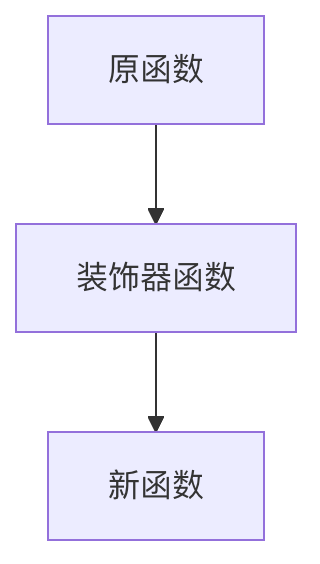
装饰器通过 @decorator_name 语法应用在函数或方法定义之前。
Python 还提供了一些内置装饰器,例如 @staticmethod 和 @classmethod。
常见应用场景:
- 日志记录:记录函数调用信息、参数和返回值
- 性能统计:统计函数执行时间
- 权限控制:限制函数访问权限
- 缓存:缓存函数结果,提高性能
基本语法
装饰器的核心思想是:用一个函数"包装"另一个函数。
语法
def decorator_function(original_function):
def wrapper(*args, **kwargs):
# 调用前
print("执行前")
result = original_function(*args, **kwargs)
# 调用后
print("执行后")
return result
return wrapper
@decorator_function
def target_function():
print("原函数执行")
def wrapper(*args, **kwargs):
# 调用前
print("执行前")
result = original_function(*args, **kwargs)
# 调用后
print("执行后")
return result
return wrapper
@decorator_function
def target_function():
print("原函数执行")
解析:
decorator_function:装饰器函数(接收原函数)wrapper:包装函数(真正被执行)@decorator_function:等价于函数替换
等价写法:
target_function = decorator_function(target_function)
👉 调用 target_function() 时,实际上执行的是 wrapper()
使用装饰器
装饰器通过 @ 语法糖应用在函数定义前:
@time_logger
def target_function():
    pass
等价于:
def target_function():
    pass

target_function = time_logger(target_function)
这种机制使我们可以在不修改原函数的情况下,统一添加功能(如日志、权限等)。
实例:打印日志
def my_decorator(func):
def wrapper():
print("函数执行前")
func()
print("函数执行后")
return wrapper
@my_decorator
def say_hello():
print("Hello!")
say_hello()
def wrapper():
print("函数执行前")
func()
print("函数执行后")
return wrapper
@my_decorator
def say_hello():
print("Hello!")
say_hello()
输出:
函数执行前
Hello!
函数执行后
my_decorator接收say_hello@my_decorator替换原函数
带参数的装饰器
如果原函数有参数,需要在 wrapper 中使用 *args, **kwargs:
实例
def my_decorator(func):
def wrapper(*args, **kwargs):
print("执行前")
func(*args, **kwargs)
print("执行后")
return wrapper
@my_decorator
def greet(name):
print(f"Hello, {name}!")
greet("Alice")
def wrapper(*args, **kwargs):
print("执行前")
func(*args, **kwargs)
print("执行后")
return wrapper
@my_decorator
def greet(name):
print(f"Hello, {name}!")
greet("Alice")
输出:
执行前
Hello, Alice!
执行后
说明:使用 *args, **kwargs 可以兼容任意参数函数。
带参数的装饰器(进阶)
def repeat(num_times):
def decorator(func):
def wrapper(*args, **kwargs):
for _ in range(num_times):
func(*args, **kwargs)
return wrapper
return decorator
@repeat(3)
def say_hello():
print("Hello!")
say_hello()
def decorator(func):
def wrapper(*args, **kwargs):
for _ in range(num_times):
func(*args, **kwargs)
return wrapper
return decorator
@repeat(3)
def say_hello():
print("Hello!")
say_hello()
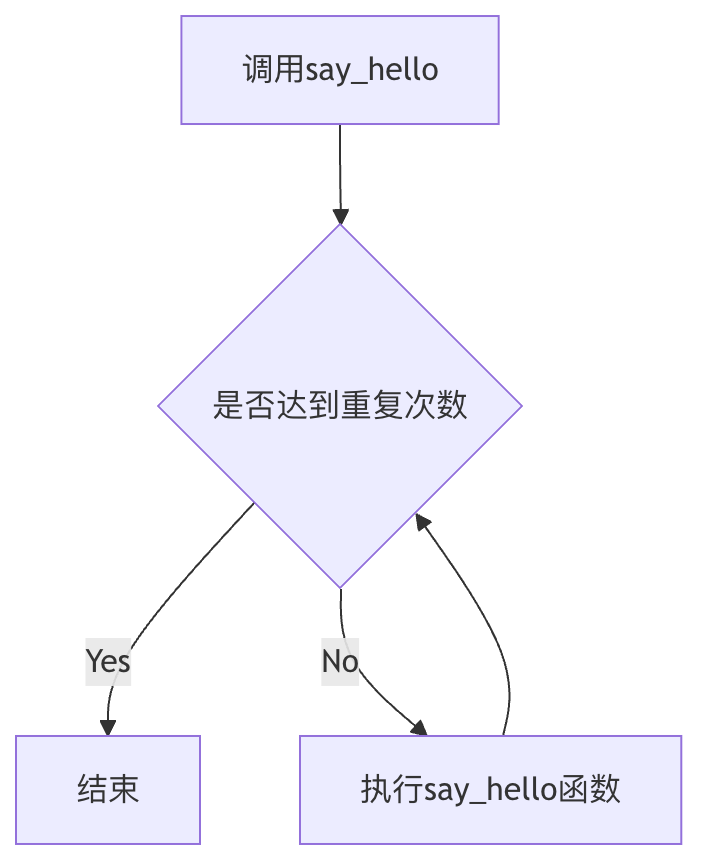
说明:这是"装饰器工厂",外层函数用于接收参数。
Hello!
Hello!
Hello!
类装饰器
除了函数,装饰器也可以作用于类。
类装饰器接收一个类,并返回修改后的类或包装类。
- 增强类方法
- 控制实例化过程
- 实现单例、日志等功能
函数形式的类装饰器
实例
def log_class(cls):
class Wrapper:
def __init__(self, *args, **kwargs):
self.wrapped = cls(*args, **kwargs)
def __getattr__(self, name):
return getattr(self.wrapped, name)
def display(self):
print("调用前")
self.wrapped.display()
print("调用后")
return Wrapper
@log_class
class MyClass:
def display(self):
print("原方法")
obj = MyClass()
obj.display()
class Wrapper:
def __init__(self, *args, **kwargs):
self.wrapped = cls(*args, **kwargs)
def __getattr__(self, name):
return getattr(self.wrapped, name)
def display(self):
print("调用前")
self.wrapped.display()
print("调用后")
return Wrapper
@log_class
class MyClass:
def display(self):
print("原方法")
obj = MyClass()
obj.display()
调用前
原方法
调用后
类形式的类装饰器
实例:单例模式
class SingletonDecorator:
def __init__(self, cls):
self.cls = cls
self.instance = None
def __call__(self, *args, **kwargs):
if self.instance is None:
self.instance = self.cls(*args, **kwargs)
return self.instance
@SingletonDecorator
class Database:
def __init__(self):
print("初始化")
db1 = Database()
db2 = Database()
print(db1 is db2)
def __init__(self, cls):
self.cls = cls
self.instance = None
def __call__(self, *args, **kwargs):
if self.instance is None:
self.instance = self.cls(*args, **kwargs)
return self.instance
@SingletonDecorator
class Database:
def __init__(self):
print("初始化")
db1 = Database()
db2 = Database()
print(db1 is db2)
初始化
True
内置装饰器
常用内置装饰器:
- @staticmethod:定义静态方法
- @classmethod:定义类方法
- @property:将方法变为属性
实例
class MyClass:
@staticmethod
def static_method():
print("静态方法")
@classmethod
def class_method(cls):
print(cls.__name__)
@property
def name(self):
return self._name
@name.setter
def name(self, value):
self._name = value
@staticmethod
def static_method():
print("静态方法")
@classmethod
def class_method(cls):
print(cls.__name__)
@property
def name(self):
return self._name
@name.setter
def name(self, value):
self._name = value
多个装饰器的堆叠
多个装饰器在定义阶段从下到上依次包裹函数,调用阶段从上到下依次执行:
实例
def decorator1(func):
def wrapper():
print("Decorator 1")
func()
return wrapper
def decorator2(func):
def wrapper():
print("Decorator 2")
func()
return wrapper
@decorator1
@decorator2
def say_hello():
print("Hello!")
say_hello()
def wrapper():
print("Decorator 1")
func()
return wrapper
def decorator2(func):
def wrapper():
print("Decorator 2")
func()
return wrapper
@decorator1
@decorator2
def say_hello():
print("Hello!")
say_hello()
最终输出:
Decorator 1
Decorator 2
Hello!
核心总结
装饰器 = 函数包装函数 + 不修改原代码扩展功能
- @ 语法本质是函数替换
- wrapper 才是真正执行的函数
- 推荐使用 *args, **kwargs 提高通用性
- 支持函数、类、甚至带参数的装饰器